Preserved Moss Care: Spotting Dust, Dryness, and Natural Aging
Preserved moss wall art brings a slice of the outdoors inside with almost no daily upkeep. Unlike living plants, preserved moss needs no water, soil, or sunlight. But it is not completely maintenance-free. Over time, three common changes can affect its appearance: dust settling on the surface, dryness that makes the moss feel brittle, and the natural aging of the preserved material. Knowing the difference between them helps you keep your display looking fresh for years.
What Preserved Moss Is and How It Stays Green
Preserved moss is real moss that has been treated with a glycerin-based solution and a plant-safe dye. The process replaces the moisture inside the cells with a stable fluid that keeps the moss soft, flexible, and colored. Because the moss is no longer alive, it does not grow, need water, or respond to light. What you see on day one is essentially what you get for a long time, provided the environment is right.
The preservation process locks in color stability, but the material is still organic. It can react to changes in humidity, temperature, and airflow. Understanding those reactions is the key to telling apart dust, dryness, and aging.
Dust: The Most Common and Easiest Fix
Dust collects on everything, and preserved moss is no exception. Because the moss has a textured, three-dimensional surface, dust particles settle into the nooks and crannies rather than sitting on a flat plane. Over weeks or months, the moss can start to look dull or muted, as if the color has faded.
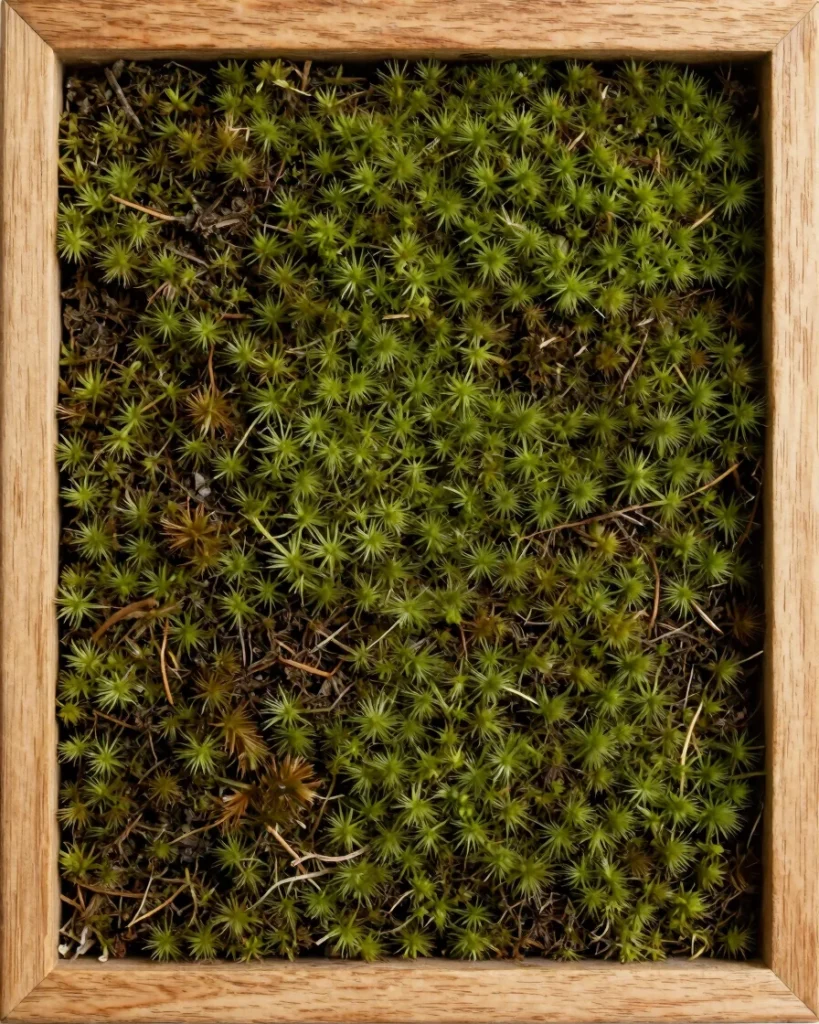
A quick check: run a clean, dry finger lightly over the surface. If you see a fine grayish film on your fingertip, that is dust. The moss itself is still soft and the color underneath is unchanged. The fix is simple. Use a soft brush, like a clean makeup brush or a paintbrush with gentle bristles, and lightly sweep the surface. Work in one direction and avoid pressing hard. For stubborn spots, a low-speed hair dryer on cool, held several inches away, can help dislodge particles. Do not use water or cleaning sprays, as moisture can break down the preservation fluid over time.
Dust is a surface issue. It does not mean the moss is deteriorating. With a light dusting every few months, the original look returns completely.
Dryness: When the Moss Feels Different
Dryness is a different matter. Preserved moss should feel soft and pliable, much like fresh moss. If the moss becomes stiff, crumbly, or starts to shed tiny fragments when touched, it has lost some of its internal preservation fluid. This usually happens because the surrounding air is too dry for too long.
In a typical indoor environment, preserved moss stays stable. But if the room has very low humidity, especially during winter when heating systems run constantly, the moss can slowly dehydrate. Direct sunlight also speeds up the process by warming the surface and encouraging the fluid to evaporate. Another cause is poor airflow: a constant draft from an air conditioner or a fan can pull moisture away from the moss.
If you notice dryness, the first step is to check the room conditions. A simple hygrometer tells you the relative humidity. Ideally, the space should stay between 40 and 60 percent. If it is lower than that, a room humidifier can help. Moving the moss away from direct sunlight and away from vents or drafty windows also makes a difference.
You cannot rehydrate preserved moss the way you would a living plant. Spraying it with water can cause mold or discoloration. Instead, focus on the environment. Once the air is right, the moss will not get drier, but it will not regain lost softness either. That is why prevention matters more than cure.
Natural Aging: What to Expect Over Years
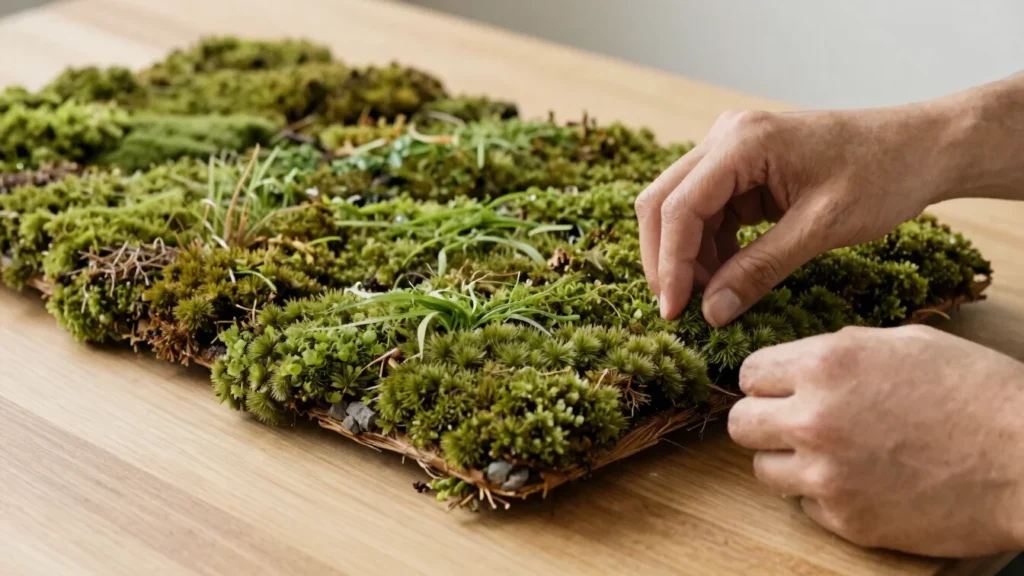
Even with perfect care, preserved moss does not last forever. The dyes and preservation fluids are stable, but they are not permanent. Over several years, the color can shift slightly. Green mosses may take on a slightly more muted or yellowish tone. The texture may become a bit more brittle even in good humidity. These are signs of natural aging, not a failure of the product or a mistake in care.
Aging is gradual. You might not notice it month to month, but comparing a piece after three years to a photo taken when it was new can show the difference. The moss is still attractive, still clean, and still intact, but it has mellowed. This is similar to how a painting or a piece of furniture ages. It gains character, but it also changes.
The best way to slow natural aging is consistent environmental control. Avoid placing the moss in a room that fluctuates wildly between hot and cold or wet and dry. A stable indoor environment, like the conditions in a typical Home living room or office, is ideal. Extremes in any direction accelerate the process.
How to Tell Them Apart
If you see a change in your moss display, ask three questions:
- Is the color dull but the moss still soft? Likely dust. Clean with a soft brush.
- Is the moss stiff, crumbly, or shedding? Likely dryness. Check humidity and move it away from direct sunlight or drafts.
- Is the color slightly different and the texture a bit more brittle after two years or more? Likely natural aging. Nothing to fix, but good care from now on can slow further change.
In many cases, a change is a combination. Dryness and aging can look similar, but dryness tends to happen faster and affects the feel immediately. Aging is slow and affects the whole piece evenly.
Practical Steps for Long-Lasting Moss Art
Keeping your preserved moss art in good shape does not require much effort. A few habits make a real difference:

- Dust every two to three months with a soft brush. This prevents buildup that can hide the true color.
- Keep the piece away from windows that get strong afternoon sun and away from heating or cooling vents.
- Monitor humidity in the room. If the air is very dry, consider a small humidifier in the space.
- Do not touch the moss frequently. Oils from skin can transfer and attract dust or alter the surface.
Preserved moss is a low-upkeep material, but it is not no-upkeep. A little attention to the environment and a simple cleaning routine will keep it looking vibrant for years. The key is recognizing what you are seeing. Dust is a cosmetic issue. Dryness is an environmental signal. Aging is the natural lifecycle of preserved organic matter. Each calls for a different response, and knowing which is which saves you time and worry.
Ultimately, a preserved moss wall is a long-term decorative feature, not a temporary novelty. With proper care, it can remain a beautiful part of your Home for many years. The small effort you put into understanding its needs pays off in lasting color and texture that stays true to the original design.